Seeds of Inspiration Blogs
Follow along to learn about healthy lifestyle tips and tricks, alongside delicious veggie-filled recipes, and educational greenhouse-grow facts. We’re here to inspire and help you get the most out of your Red Sun Farms purchase.
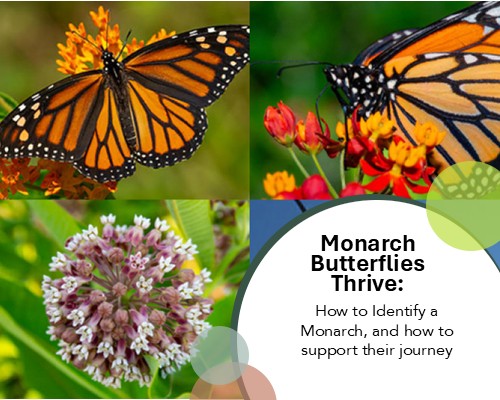
Monarch Butterflies Thrive: How to Identify a Monarch, and how to support their journey
Monarch butterflies aren’t just majestic, they’re one of the most recognizable (and important) pollinators in North America. But their population has been declining, which makes awareness and action more important than ever.
How to Identify a Monarch:
Monarchs are known for their bold orange wings with black borders and white spots, but there are a few easy ways to tell them apart from other butterflies (and even between males and females):
- Wing Patterns:
- Males have thinner black veins and a small black spot on each hind wing (used to attract females).
- Females have thicker veins and no spots.
- Body:
- Black with white speckles, plus a fuzzy thorax and striped abdomen.
- Size:
- Larger than most butterflies, with a wingspan of about 3.5–4 inches and more rounded wings.
You might also spot their caterpillars that are striped in yellow, black, and white. You can usually find them hanging out on milkweed.
Why Milkweed Matters:
Milkweed is everything to monarchs. It’s the only plant where females lay their eggs, and it’s the only food monarch caterpillars eat. Without it, their lifecycle can’t continue. It also acts as a natural defense system, caterpillars absorb compounds from milkweed that make them unappealing to predators. And for adult butterflies, the Milkweed flowers provide the energy they need for their long migration.
How You Can Help:
The easiest way to support monarchs is simple: plant milkweed. Whether it’s your backyard, a garden bed, or a community space, adding milkweed helps rebuild critical habitat. Even small actions can make a real impact, especially when more people get involved.
Want to Learn More?
- Point Pelee National Park – A key stopover point for monarch migration in Canada. https://parks.canada.ca/pn-np/on/pelee/nature/faune-wildlife/monarque-monarch
- Monarch Butterfly Biosphere Reserve – Their winter home and a UNESCO World Heritage Site.
- Save Our Monarchs Foundation – Focused on habitat restoration and education. https://www.saveourmonarchs.org/
Monarchs are more than just a sign of summer, they’re a symbol of beauty and resilience. With a few simple steps, we can help keep their journey going for generations to come.